



Every election and every competition will end in a reckoning. The loser will be left with a simple question: were they wrong, or was I?
The term “facing the facts” exists because it is uncomfortable for everybody – not one excluded – to face the realities of certain situations that do not align with our goals. If you invested $200,000 into resources, classes, and travel to pursue your dream of becoming an actor and never got a single role, it will be heartbreaking to accept the reality that a change may be necessary. If you held a grudge with a childhood friend for ages, only to find out that they were right the whole time and that now you’ve alienated some of your other friends or companions, coming to terms with that reality will be remarkably disappointing.
After the jury sentences him to death, Socrates tells the men who voted against him that he holds no anger toward them, and asks only that they treat his sons as he treated Athens. Yet when his agriculturist friend Crito offers him an escape from prison just weeks later, he refuses: fleeing would be unjust in its own way, despite his conviction that imprisonment was as well
The former is much different than the latter. Wishing goodwill on the very people who condemned him, even trusting them with his own sons, is sympathy for those who voted against him; an admission that they had their reasons, and that he still wants good things for the city that turned him away.
Choosing to stay in prison and accept your death sentence is no longer sympathy; it is facing the facts. It is an acceptance that, regardless of who is right and who is wrong, the consequences of his actions were realized by a society of people who disdained them.
In the past 48 hours, there have been far more proponents of this sympathy than many have expected. Losers are not supposed to sympathize with those who supported the winners; political losers, those blessed or burdened with the power of public sentiment, are expected to even less so.
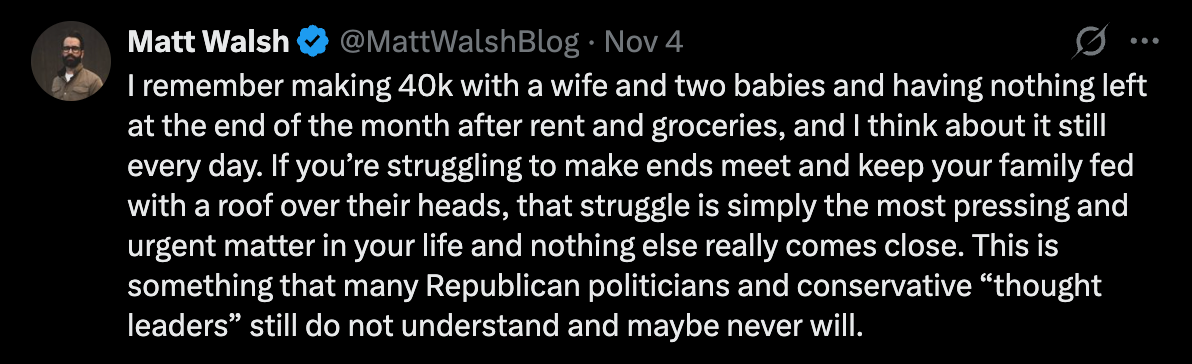
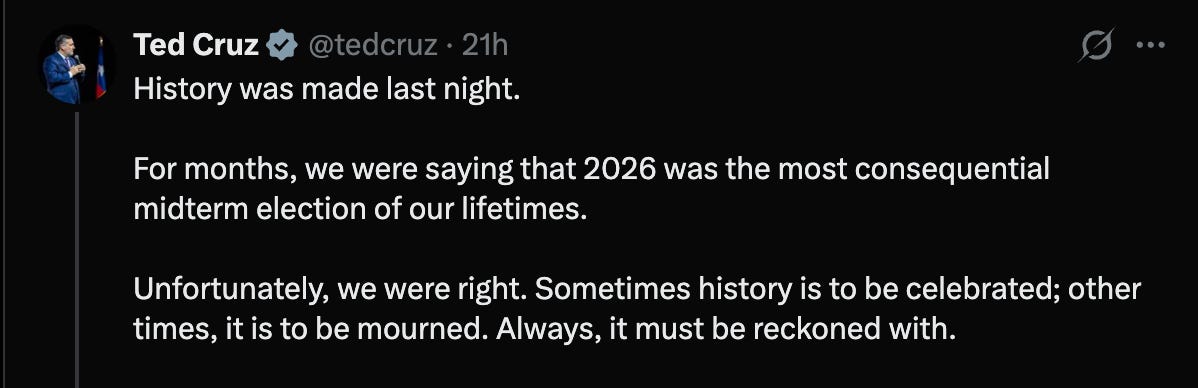
You can be the Vice President or a Governor or an ancient philosopher or a sanitation worker, yet the difficulty will always be the same. And still, the surprise will be the same. There are countless who have taken to the Internet to claim their shock at such sympathy, at such a turn of opinion in a seemingly-endlessly-divided nation.


If the Athenians in the agora had heeded Socrates, if they had heard his sympathy and thought he may have been right, perhaps they would have let him out of jail. Maybe he would have become a musician, as a recurring dream always told him, or perhaps an artisan. It may have even led him to be a better father to his children, to ingratiate himself into the politics of his day, or even a trader that sailed and explored the Mediterranean.
But there is also a chance that he had escaped and Socrates is Socrates. The philosophizing and trains of thought that governed his mind for decades are unshakable; the convictions that brought him to his death are convictions. His followers will undoubtedly return to him, and once again, as they did just days before, they will meet to debate and publicize those same convictions.
Sympathy can certainly “help to make [the facts] more bearable.” Few victors or supporters across the country will claim that Republican sympathy is not needed, or rather, long-awaited. But they may say that the facts have not been faced yet, for they have not. Socrates is contemplating Crito’s offer at the gates. Another day, he will make his decision.