


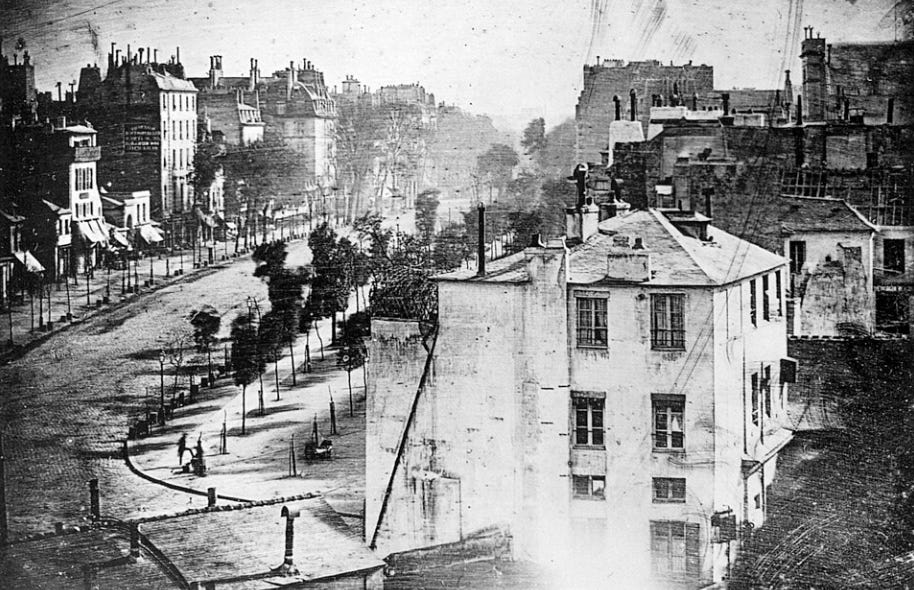
In 1925, Paris, like its inhabitants, was recovering. The weight of the first World War had begun to set in. Rising prices, broken leases, and inflated money all became symptoms of the same illness Parisians began to feel stifling them.
The most important indicator of this struggle, however, was not one of money or housing or food.
It was of foreigners. It was of the people that had never called the city home, the city where, as the Paris Review claimed, the foreigners “seem[ed] to be coming to live forever.”
They seemed to be coming to live forever, but the city itself was not built to handle longevity. They were immortal, but the Parisians were still mortal.
They were still gentrified.
100 years later, and the weight of internal forces has come to bear upon not just France, but the United States as well. Economic crises, housing shortages, widespread dysfunction. Are you still mortal? Have you become immortal? Paris has recovered, the weight of the first – and second – World Wars off its shoulders, but the impact has spread across the globe. What was once Paris’s singular pain has become the universal condition of desire itself.
The pattern is always the same: the city becomes desirable, the desirable becomes expensive, the expensive becomes exclusive, the exclusive becomes dead. A beautiful corpse, perfectly preserved, utterly empty of the life that made it beautiful in the first place.
But today, at least, the sun is shining on the Seine. The chestnuts are nearly bare. Someone is playing accordion on the Pont des Arts, and it’s probably ironic, but it sounds lovely anyway. A couple kisses by the water. They might be tourists. They might be locals. From this distance, you can’t tell the difference.