


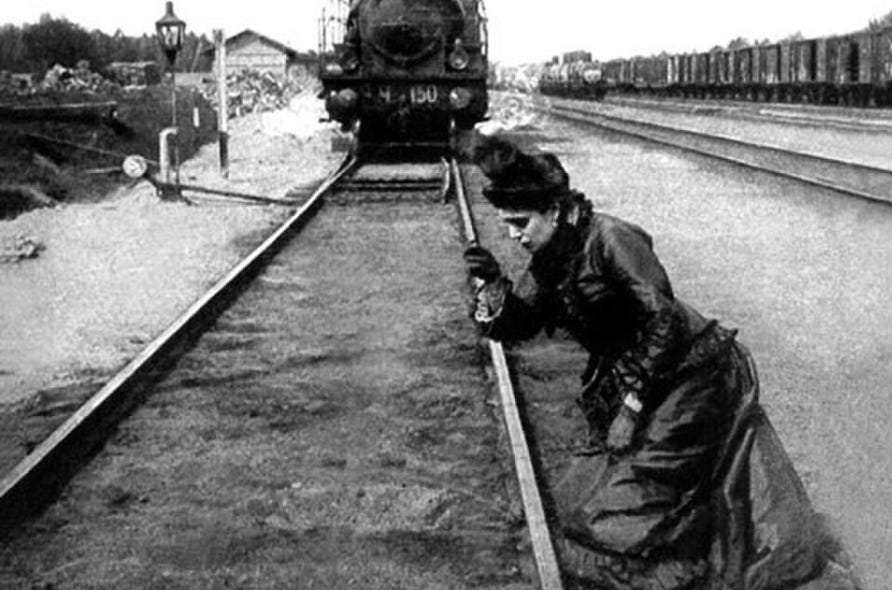
An opening makes a promise. It tells you what kind of story you’re about to be in, often before you’ve agreed to anything.
By the first page of Tolstoy’s Anna Karenina, you are met with a quote. An epigraph, Romans 12:19. “Vengeance is mine; I will repay.”
For the next 200 pages or so, however, there is nothing to resemble vengeance or revenge or the wrath of a wicked God upon 19th century Russia. There is love, there are emotions, complications, there are remarkable relationships. There are the tales of an entire community whose lives have been upended, not by crisis or wickedness, but by choice, one which was even defensible to some.
Vengeance became the temptation itself, however. In the next 150 years after the book’s publication, it stopped being something to fear and became something to want. We could repay it onto others with ease, with purpose, with an understanding that one deserved vengeance and one did not.
And yet, every act of it ended in the same way. Communities would be stricken with grief they mistook for justice. When the Allies turned on Germany in 1919, the peace lasted twenty years. When Hollywood turned on its own in 1947, it took over a decade for some names to come back.
If our history is the future, then we cannot forget that it has already been the past. Vengeance has been ours for some time. But it shall not repay itself now.