


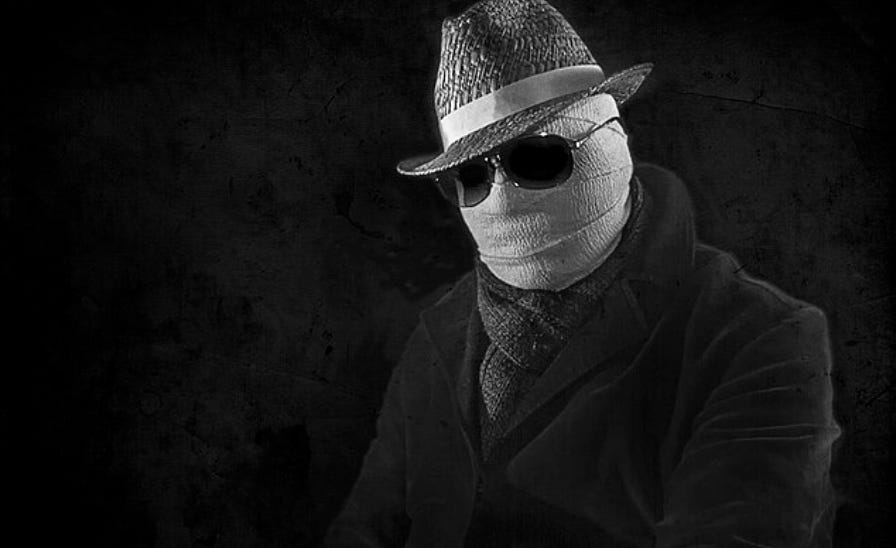
Clancy Steadwell is a secret.
If you know of him, you are bound to love him. You are bound to fall into the world of asynchronous, weaved fiction, into the characters that we have not heard of before, and likely never will again.
If you don’t, however, he is nothing but a name.
Author of the debut novel the big T and a prolific short story writer, Clancy has never been one for secrets in his writing. It is vulnerable, touching, a study of the characters that are all at once both himself and nothing. A pseudonymous writer in the age of identities and profiles, it is hard to cast a blind eye towards Clancy’s work and the thousands of followers he’s amassed in his wake.
Clancy’s work treats memory not as material but as method. It assumes distortion as a given, not a failure. Events are rearranged, invented, abandoned; what remains intact is the sensation they leave behind. His fiction does not ask to be believed so much as it asks to be inhabited. By removing factual obligation, the writing sharpens its emotional accuracy, allowing intimacy to occur without confession. In this way, authorship becomes diffuse — shared between writer, reader, and whatever version of the past each brings with them.
It’s fitting, then, that Clancy’s life away from the page is almost aggressively ordinary. He resists the mythology of the writer-as-outsider, the titles that have defined generations of authors and labeled them as spectacles rather than creators. His days are shaped by routines that could belong to anyone: work, exercise, long walks with his dog, shared dinners, quiet evenings negotiated carefully with love rather than ambition. Writing happens in the margins – between obligations, beside a sleeping cat, in the hour before rest.
It is not announced to the people around him.
Writing does not mean you are the outsider, but to Clancy Steadwell, it means you are the work. It means that you do not insist upon yourself. It means you do not demand to be known. It means that you understand that intimacy is not built through exposure, but through trust. Through the careful construction of feeling, through the allowance of ambiguity. Through the grace of letting a reader decide what belongs to them.
For that’s exactly who Clancy is.
Both himself at once and nothing at all.