


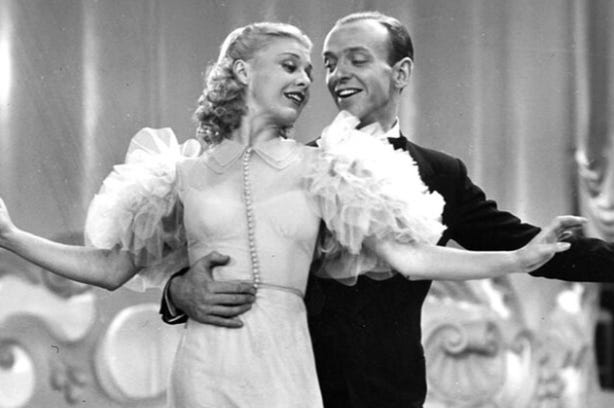
During the intro to Zadie Smith’s Swing Time, the unnamed narrator takes her place at a film screening. We don’t know where it is, how many people were there, or even what film it was. The director of the film begins by discussing the evening, followed by their theory of “pure cinema” – what it means to produce film at the highest level.
Pure cinema, according to the director, wasn’t an intricate theory of parts and indigestible terms provided by decades of theory and critique. It was the “interplay of light and dark, expressed as a kind of rhythm, over time.” The highest form of cinema, the grandest display of the art form was simply the notion of light and dark, expressed over time.
The criterion of judgment for this highest form of cinema in the present day is certainly different than Smith’s idea in Swing Time, a competition flooded by inflated accolades and awards almost too overwhelming to keep count of. Vertical short forms have flooded talent markets. Short and indie films are far too expensive to be widely made. And modern day feature films are far too competitive, far too complex to keep up with its characters nonetheless its reputations.
The novel moves from here at a remarkable pace, following the narrator and her friend’s development as titular swing dancers. One is a poet; gliding, elegant, making music of her own with her feet. The other is a politician; ungraceful, straightforward, struggling to balance her movements with her thoughts.
One is black and white; the other is filled with color. It is only together that they embody the director’s theory better than any screen could: the interplay of light and dark, rhythm expressed across years instead of minutes. Pure cinema happens in the space between two bodies learning to trust each other’s weight, in the way feet find rhythm that hands and hearts will follow, in the slow accumulation of touch and adjustment until two separate people move as one organism, their friendship written first in muscle and bone before it ever reaches language.